We’re all seeing the flood of ‘AI for PMs’ tools. They promise to write perfect user stories, summarize hours of user interviews in seconds, and even draft your entire roadmap. The hype is deafening, but let’s cut through the noise and talk about the real shift happening.
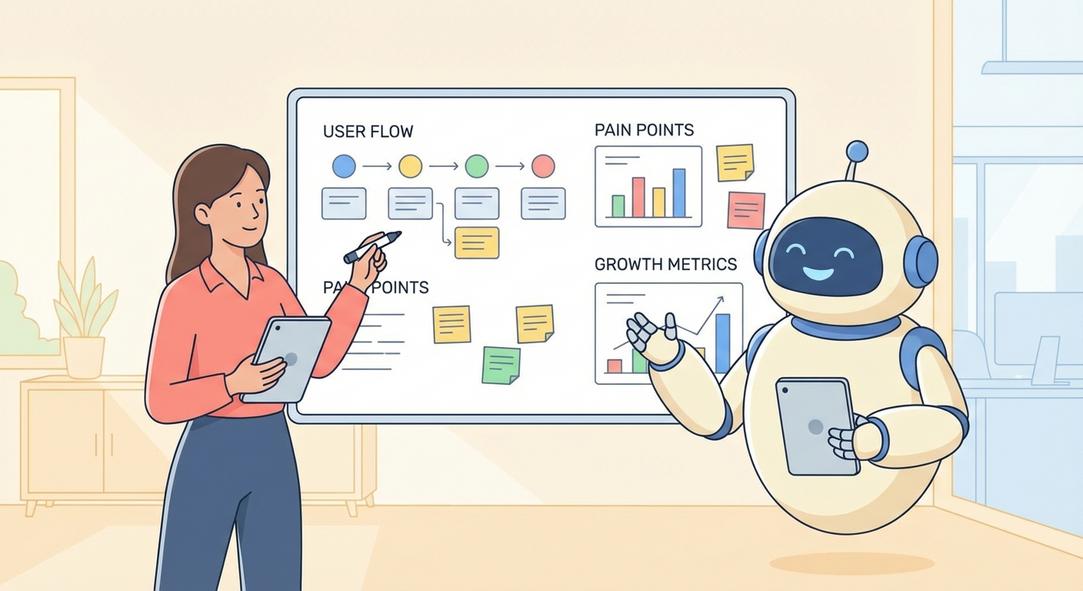
I’m seeing a new working model emerge where AI isn’t a replacement for the PM, but a powerful co-pilot. Think of it as the ultimate junior PM. It can handle the first pass on data analysis, synthesize raw feedback into themes, and get the first draft of a PRD on the page. This frees up our cognitive load from the tedious, tactical work that can consume our days.
The real opportunity here isn’t just about shipping faster. It’s about elevating our role. When we automate the tactical, we create more space for the strategic: talking to more customers, deeper collaboration with stakeholders, and actually having time to think about the long-term vision. But there’s a risk. If we’re not careful, we could end up just managing the AI, losing our direct connection to the user’s voice and the nuances of the problem space.
How are you using AI to automate the tactical parts of your job without losing your strategic edge and customer connection?