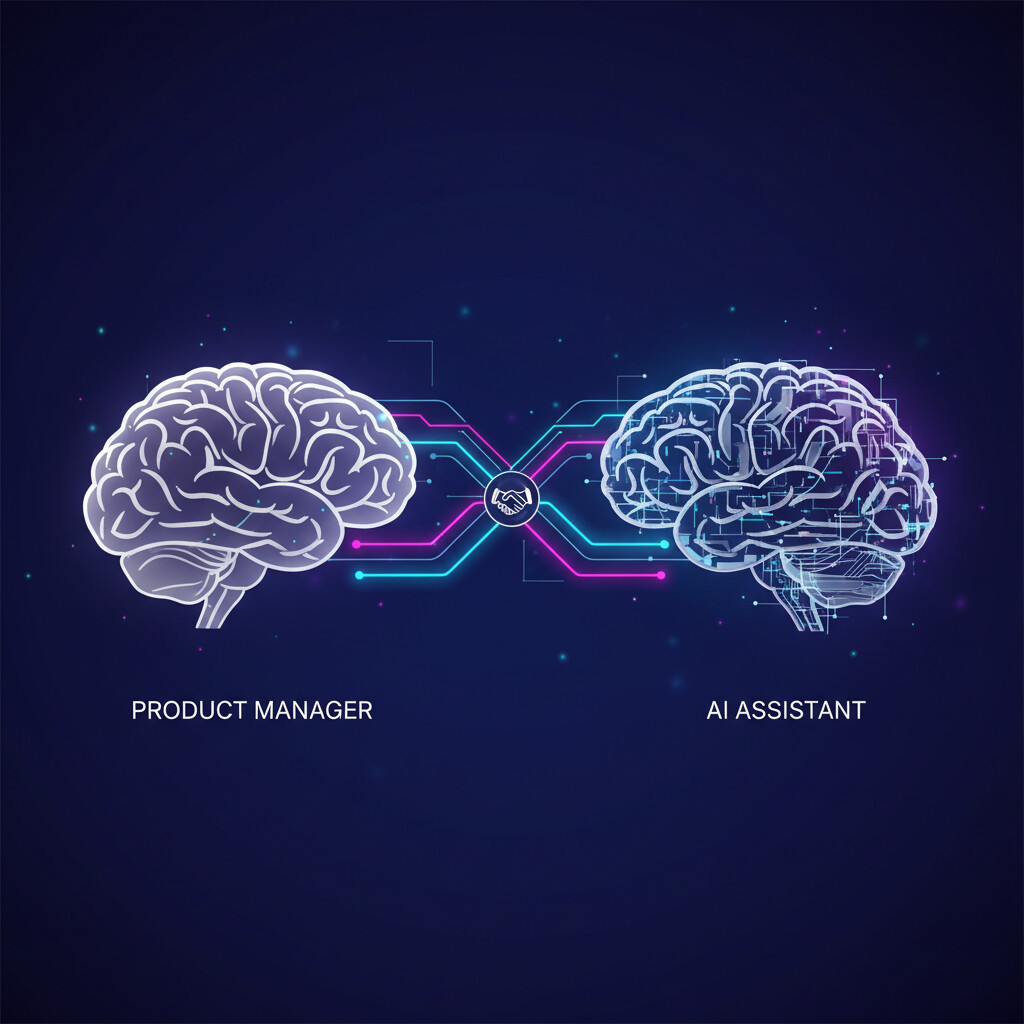
We’ve all seen the impact of GitHub Copilot on developer workflows, but the wave of AI assistants is now squarely focused on product management. These aren’t just fancy backlog groomers; they’re becoming sophisticated partners in our daily work.
Modern AI tools can now sift through thousands of user feedback comments, identify emerging themes from support tickets, and even draft initial specs based on a simple prompt. This power to process and synthesize vast amounts of information is a game-changer. By automating the ‘what’ (what are users saying? what does the data show?), these assistants free us up to focus on the uniquely human ‘so what?’ and ‘now what?’. The real value isn’t just speed, but the cognitive space it creates for strategic thinking, stakeholder negotiation, and true customer discovery.
Of course, this shift brings challenges. How do we ensure we don’t become disconnected from the raw voice of the customer? As we use AI to connect the dots from user feedback, a process we’re passionate about at https://leera.io, we have to be careful not to outsource our intuition. The goal is augmentation, not replacement.
So, how are you using AI tools in your PM workflow today, and where do you draw the line between helpful assistant and a crutch that dulls your core skills?