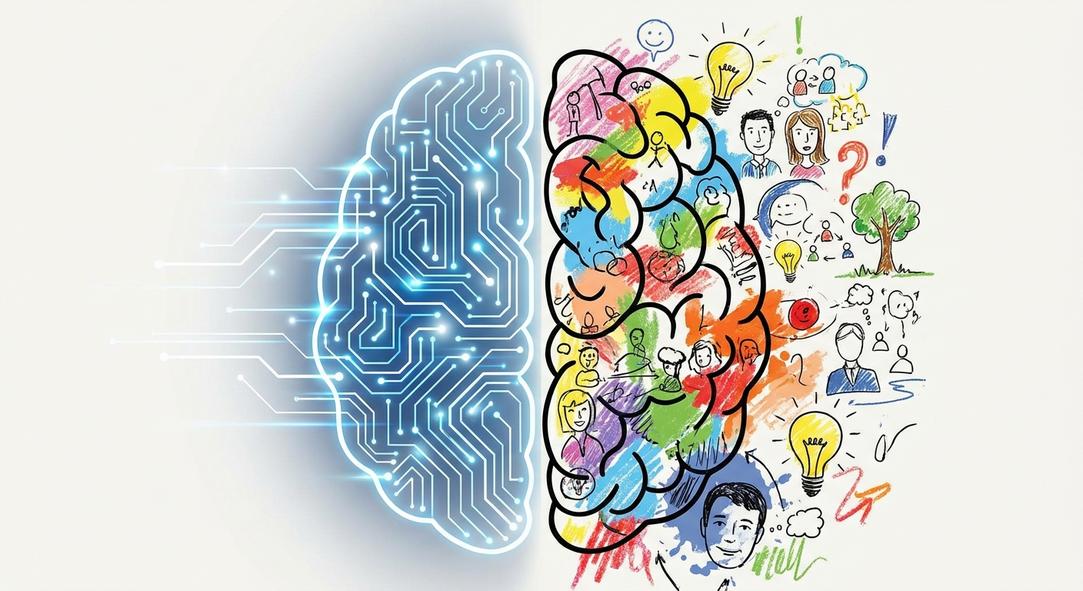
The tech world is buzzing, and it seems like every roadmap now has ‘AI-powered’ stamped on it. This shift is kicking up a huge debate about the modern PM skillset. On one side, there’s a growing belief that to manage AI products effectively, PMs must have deep technical expertise—we’re talking about understanding machine learning models, data infrastructure, and statistical concepts. The argument is that without this knowledge, you can’t have meaningful conversations with engineers or grasp the true feasibility and limitations of the tech.
On the other side, many argue that this hyper-focus on technical AI skills is misguided. They contend that the core principles of product management are more critical than ever. Deep user empathy, rigorous problem discovery, and clear strategic thinking are what separate successful products from technically brilliant failures. In this view, the AI is simply the implementation detail—the ‘how’—while the PM’s primary job remains firmly rooted in the ‘why’ and the ‘what’ for the customer.
This isn’t just a theoretical discussion; it has real-world implications for how we hire, structure teams, and invest in our own professional development.
So, where do you stand? Is deep, technical AI/ML knowledge becoming a non-negotiable table stake for product managers, or should we double down on the timeless, customer-centric skills that have always defined the role?