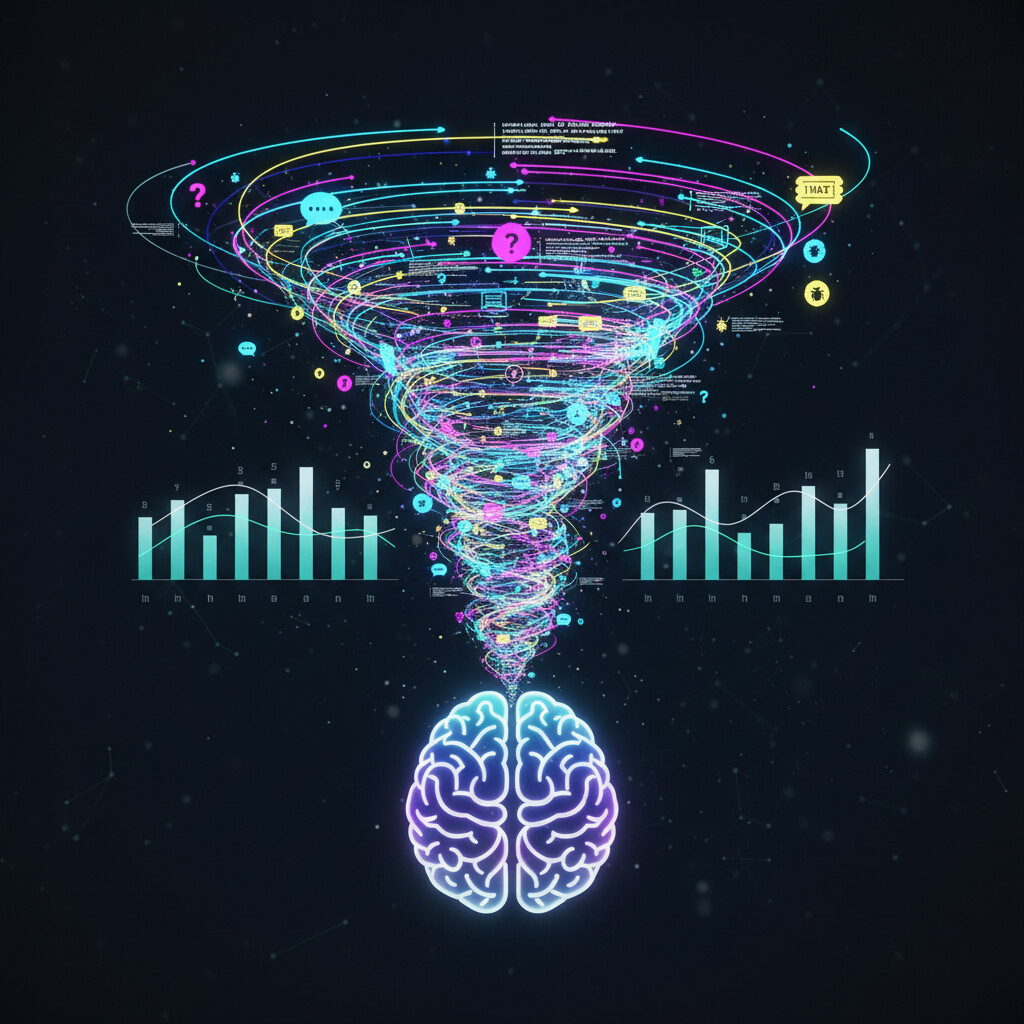
We’re all drowning in a sea of qualitative data. Between Intercom chats, Zendesk tickets, App Store reviews, and NPS surveys, the firehose of user feedback is relentless. For years, the gold standard has been manual analysis—painstakingly tagging, categorizing, and synthesizing themes. It’s valuable work, but it’s slow, expensive, and often happens too late to influence the current development cycle.
The game is changing with the rise of AI-powered feedback analysis. New tools can now ingest thousands of unstructured comments and, in minutes, surface critical themes, sentiment trends, and emerging issues that would take a human weeks to find. This isn’t just about efficiency; it’s about closing the gap between feedback and action. When insights are generated continuously, they can inform daily stand-ups, not just quarterly planning.
Of course, we risk losing nuance and the authentic “voice of the customer” if we rely solely on algorithms. The key is to use AI for the heavy lifting—the signal detection—so that PMs can spend their time on the high-value work of validating those signals with actual users. Integrating these insights into your team’s core workflow, for example by piping them from a tool like https://leera.io into your product backlog, makes them impossible to ignore. This transforms feedback from a reactive chore into a proactive strategic asset.
So, how is your team currently managing the firehose of qualitative user feedback, and have you started leveraging AI to make sense of it all?