Many of us were taught to think of “product discovery” as a distinct phase—a project we run at the beginning of an initiative to de-risk the idea before we build. But this front-loaded approach has a fatal flaw: it treats learning as a one-time event. By the time we launch, the market may have shifted, and our initial assumptions may be obsolete.
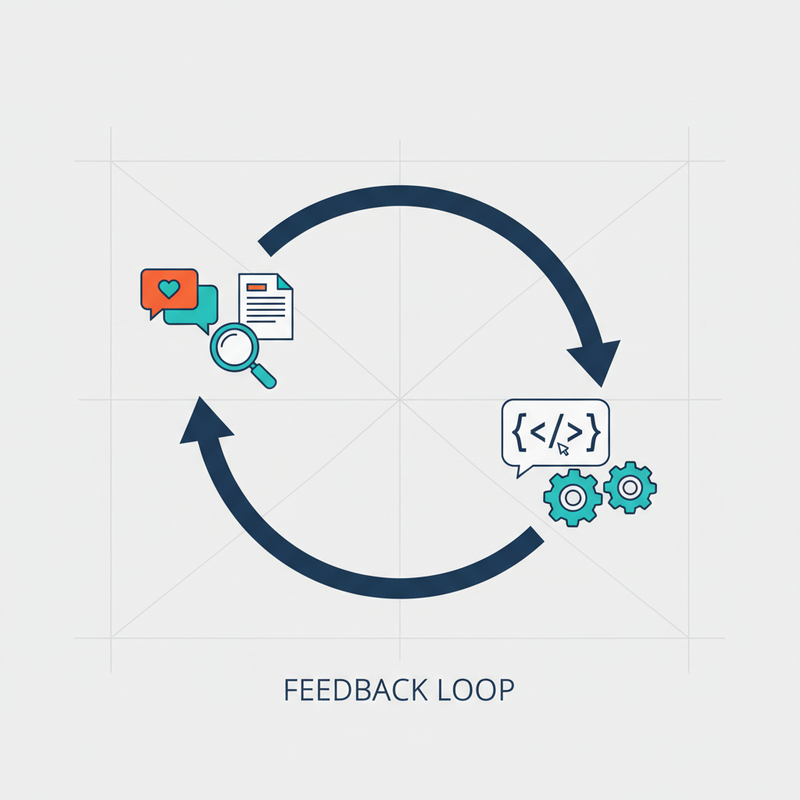
This is why top-performing teams are moving away from discovery “phases” and embracing continuous discovery as a weekly habit. It’s not about one big research project; it’s about creating a constant rhythm of learning. This could look like a weekly cadence of customer interviews, continuous assumption testing, or rapid prototyping of small ideas. The goal is to keep the entire team—engineers included—deeply connected to user problems, making small, informed bets every single week.
Of course, this continuous flow of conversations and feedback generates a ton of qualitative data. The challenge quickly becomes how to synthesize these insights and ensure they actually inform the roadmap. Having a centralized system to connect user quotes and findings directly to your product strategy, like an insights hub from https://leera.io, becomes essential to closing the loop. It transforms discovery from an academic exercise into a direct driver of what gets built next.
How have you successfully embedded continuous discovery habits into your team’s weekly rhythm, especially when the pressure to constantly ship is high?