We’ve all written thousands of them: “As a user, I want to [action], so that [benefit].” The user story has been a cornerstone of agile for years. But is it still serving us, or are we just going through the motions?
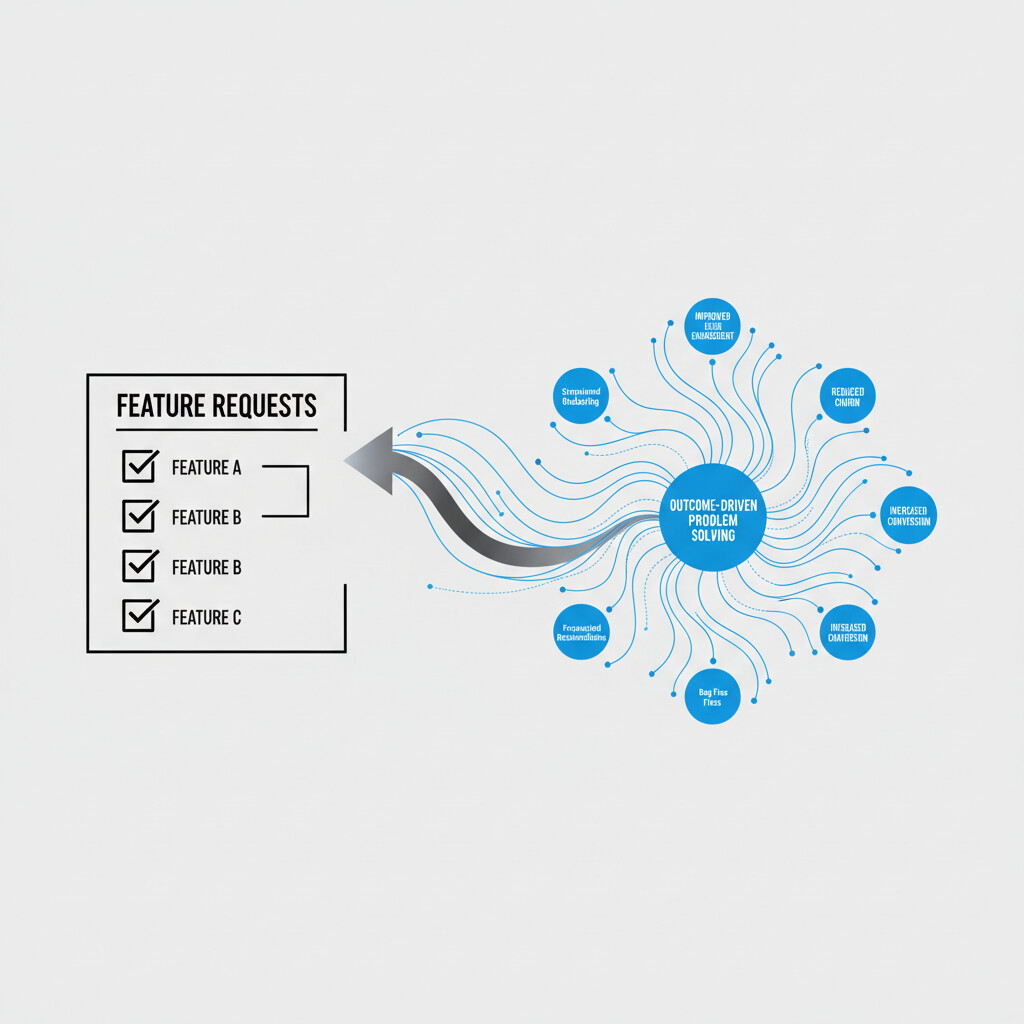
Lately, I’ve seen more teams hitting the limits of this format. It can easily become a disguised feature request, boxing developers into a specific solution before they’ve even had a chance to understand the core problem. The “so that” often becomes a weak justification for a pre-determined “want.”
The real magic happens when we shift our focus from prescribing solutions to clearly defining problems. Frameworks like Job Stories (“When [situation], I want to [motivation], so I can [expected outcome]”) or simple, well-researched problem statements give engineering teams the context and autonomy they need to build the best solution, not just the one we first thought of.
Truly understanding the “why” is the foundation. It requires deep user empathy, which is why consolidating insights from user interviews and feedback is so critical. Platforms that help centralize this voice of the customer, like we’re building at https://leera.io, can be a game-changer for framing these problems effectively. By leading with the problem, we empower our teams and build better products.
How has your team evolved its approach to writing user stories, or have you found success with other formats?