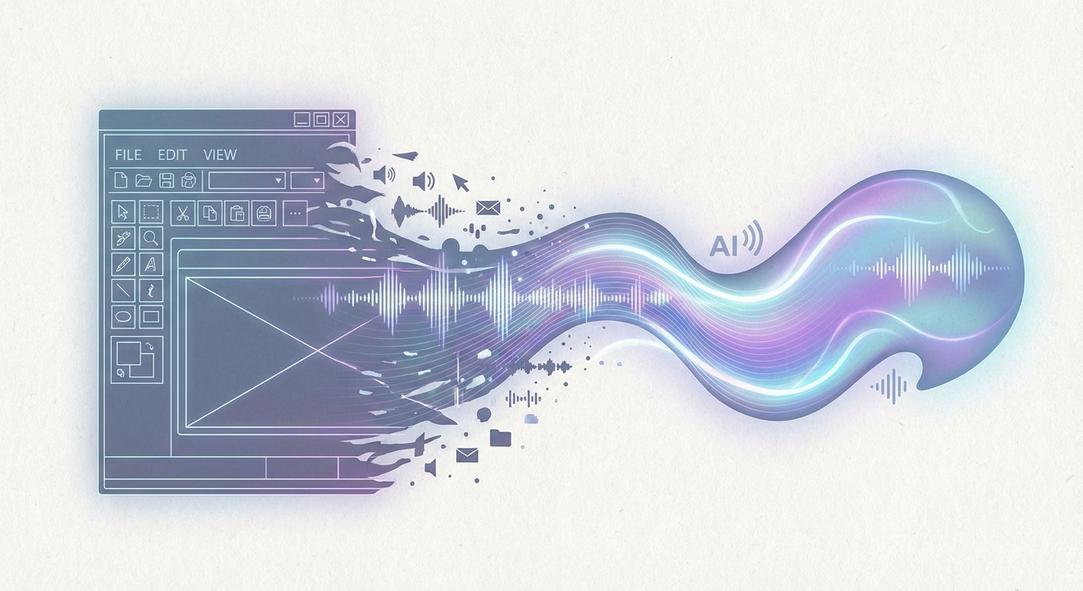
The recent demos of GPT-4o’s real-time conversational and vision capabilities felt like a true step-change. We’re not just talking about faster chatbots; this signals a fundamental shift in human-computer interaction that every product manager needs to watch. For years, we’ve designed products around clicks, taps, and text input within the familiar confines of a GUI. But we’re rapidly entering an era where the primary interface might not be a screen at all—it could be a seamless, multi-modal conversation.
This isn’t just an engineering challenge; it’s a product strategy challenge. How do we conceptualize a user journey when it’s no longer a series of predictable screen flows? What does a user story or a PRD even look like when the core “feature” is an intelligent, context-aware dialogue? This shift forces us to move from designing explicit features to building flexible capabilities that an AI can leverage. It impacts our roadmaps, our user research methodologies, and how we collaborate with design and engineering. We’re moving from building static interfaces to choreographing intelligent interactions.
How are you and your team starting to rethink your product’s user experience and roadmap in light of this rapid shift towards conversational, multi-modal AI?