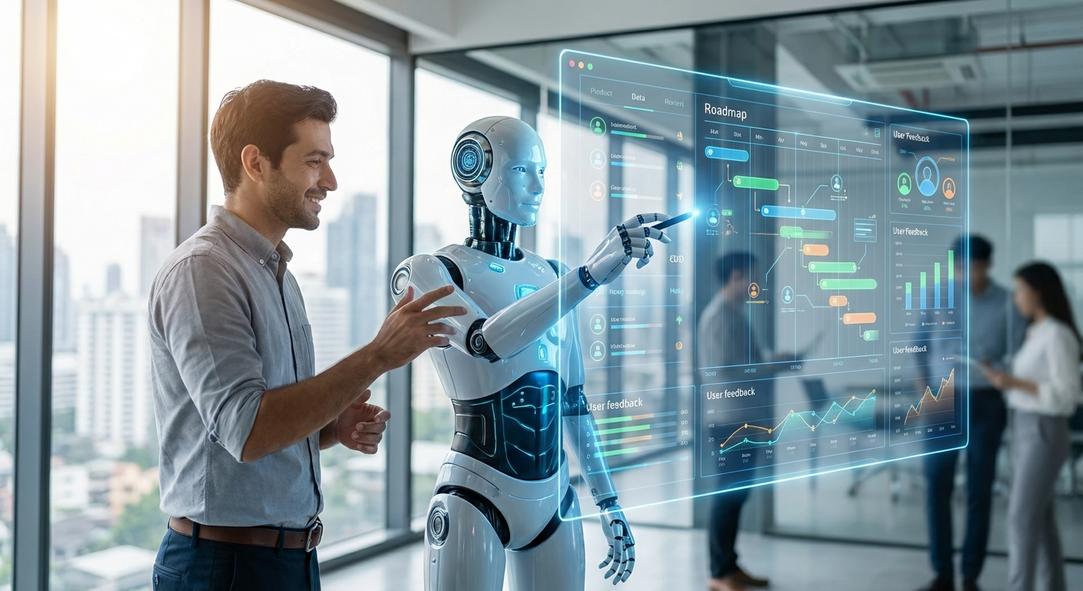
We’re all seeing the flood of AI tools designed to ‘revolutionize’ product management. They can analyze thousands of user feedback tickets in minutes, draft PRDs, and even suggest roadmap priorities. On the surface, this is a massive win for efficiency. Who wouldn’t want an AI copilot to handle the grunt work?
But I’ve been thinking about the potential downside. The art of product management is often found in the nuance—in the deep, empathetic connection you build by personally sifting through user interviews, in the strategic insights that emerge while wrestling with a complex problem. When we delegate these tasks to an algorithm, are we just offloading work, or are we offloading the very activities that build product intuition?
There’s a fine line between using AI as a powerful assistant (a copilot) and letting it become a crutch that puts our critical thinking on autopilot. We get faster, but do we get better? We might produce more documents, but do we build more innovative products? It’s a critical question for the future of our craft.
How are you integrating AI tools into your workflow without losing the essential ‘human’ element of product management?