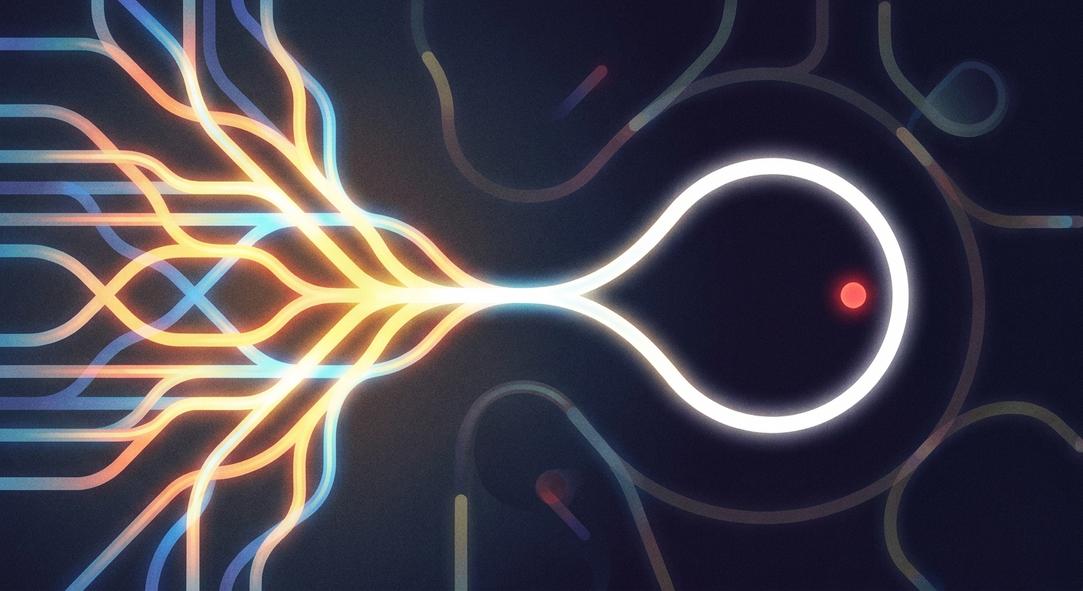
We’re all chasing the holy grail of AI-powered personalization. The promise is huge: a user experience so perfectly tailored that it feels like magic, driving engagement and conversion sky-high. But as we get better at predicting what our users want, are we accidentally building them beautiful, comfortable prisons?
This is the ‘personalization prison’ paradox. An algorithm, trained on past behavior, can become so effective at serving up more of the same that it completely cuts off discovery. The user stops seeing diverse perspectives, novel products, or challenging ideas. In the short term, engagement metrics might look great. But in the long term, we risk creating a stale, echo-chamber experience that stifles growth and ultimately leads to boredom and churn.
As PMs, we’re on the front lines of this challenge. We own the balance between a highly relevant, personalized journey and one that still allows for serendipity and exploration. It requires a conscious product strategy that goes beyond optimizing for the next click. We need to work with our data science and design teams to intentionally inject novelty and challenge the algorithm.
So, how are you actively building serendipity into your personalized products? What metrics or guardrails have you put in place to ensure your algorithm doesn’t get too good at its job?